COPD Is Quietly Stealing Your Breath: Here’s How to Fight Back
Breathing is something most people rarely think about until every breath starts to feel difficult. COPD, or chronic obstructive pulmonary disease, often develops slowly, making it easy to ignore the early warning signs. A lingering cough, frequent shortness of breath, fatigue during everyday activities, or wheezing may seem harmless at first. Over time, however, these symptoms can interfere with work, sleep, exercise, and overall quality of life. Many people delay seeking treatment because they assume their symptoms are simply part of aging or a lingering effect of smoking, allergies, or seasonal illness.
Unfortunately, COPD does not improve on its own. Without proper treatment, the condition can gradually damage the lungs and make even simple tasks feel exhausting. That is why early diagnosis and ongoing care are so important. A trusted pulmonary clinic in Morristown TN can help patients identify breathing issues early, create a personalized treatment plan, and reduce the risk of serious complications. Whether someone is experiencing chronic coughing, chest tightness, or worsening asthma symptoms, getting professional pulmonary care can make a significant difference.
Prana Pulmonary Clinic provides comprehensive respiratory care for patients struggling with COPD, asthma, sleep disorders, chronic bronchitis, and other lung-related conditions. Their team focuses on helping patients breathe easier through advanced testing, customized treatment plans, patient education, and long-term disease management. Patients deserve more than temporary symptom relief—they need solutions that improve their overall health and daily comfort.
This guide explains the most common COPD symptoms, why early pulmonary care matters, what treatment options are available, and how patients can protect their lung health moving forward. If you or a loved one has been experiencing breathing difficulties, understanding your options could be the first step toward reclaiming your quality of life.
Table of Contents
- Understanding COPD and Its Warning Signs
- Why Early Pulmonary Care Matters
- Treatment Options That Help Patients Breathe Easier
- How Lifestyle Changes Support Better Lung Health
- Frequently Asked Questions
Understanding COPD and Its Warning Signs
COPD is one of the most common chronic lung diseases affecting adults today. It includes conditions such as emphysema and chronic bronchitis, both of which make it harder for air to move through the lungs. Many patients do not realize they have COPD until symptoms become severe enough to interfere with daily activities. This delayed diagnosis often allows the disease to progress further than necessary.
One of the biggest challenges with COPD is that symptoms can appear gradually. Patients may first notice mild shortness of breath while climbing stairs or walking longer distances. Others develop a persistent cough that produces mucus or experience frequent respiratory infections throughout the year. Wheezing, chest tightness, fatigue, and reduced exercise tolerance are also common signs. Because these symptoms often develop slowly, many people adapt to them without realizing their lung function is declining.
Smoking remains the leading cause of COPD, but it is not the only risk factor. Exposure to secondhand smoke, workplace chemicals, air pollution, and long-term respiratory irritation can also contribute to lung damage. Some individuals may even have a genetic predisposition that increases their risk. Early screening and pulmonary evaluations can identify problems before they become severe.
According to the Centers for Disease Control and Prevention (CDC), COPD is one of the leading causes of death and disability in the United States. Early treatment can help slow disease progression and improve quality of life.
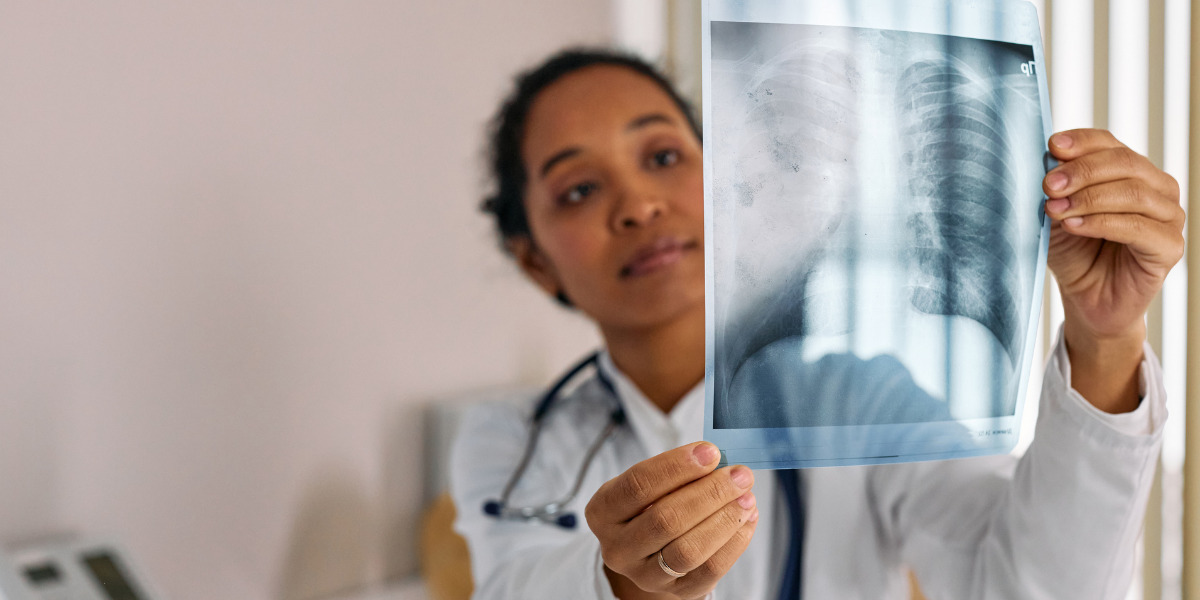
At Prana Pulmonary Clinic, patients receive comprehensive evaluations designed to identify respiratory conditions accurately. Pulmonary specialists may use breathing tests, imaging studies, oxygen assessments, and symptom evaluations to determine the severity of lung disease. Once diagnosed, patients can begin a treatment plan tailored to their specific needs and lifestyle goals.
COPD can also impact emotional and mental well-being. Patients often feel frustrated, anxious, or isolated when breathing problems interfere with daily routines. Difficulty sleeping, reduced physical activity, and ongoing fatigue can lower overall quality of life. Addressing both the physical and emotional effects of COPD is an important part of long-term pulmonary care.
Understanding the early warning signs empowers patients to seek help sooner rather than later. Persistent coughing, frequent chest infections, or unexplained breathing difficulties should never be ignored. Early intervention provides the best opportunity to protect lung function and maintain independence over time.
Why Early Pulmonary Care Matters
Many respiratory conditions worsen over time when left untreated. Patients often wait until symptoms become severe before scheduling an appointment with a pulmonary specialist. Unfortunately, delaying care can lead to permanent lung damage, increased hospital visits, and reduced quality of life. Early pulmonary care helps identify problems sooner and gives patients access to treatments that can slow disease progression.
A pulmonary clinic focuses specifically on diagnosing and managing conditions affecting the lungs and respiratory system. This specialized care is important because breathing disorders can have many causes and may require detailed testing to diagnose accurately. Pulmonary specialists are trained to evaluate chronic coughs, asthma, COPD, sleep apnea, pneumonia complications, and other complex respiratory conditions.
One major benefit of early pulmonary treatment is improved symptom control. Patients who begin treatment early often experience fewer flare-ups, less shortness of breath, and better energy levels. Medication management, pulmonary rehabilitation, inhaler education, and oxygen therapy can significantly improve daily comfort and activity levels.
Preventive care also plays a major role in pulmonary health. Vaccinations, smoking cessation support, and routine monitoring help reduce the risk of infections and complications. Patients with chronic lung disease are more vulnerable to illnesses like influenza and pneumonia, making preventive strategies especially important.
Prana Pulmonary Clinic works closely with patients to create personalized care plans that fit their unique medical history and lifestyle. Treatment plans are not one-size-fits-all. Some patients may need inhalers and breathing exercises, while others benefit from sleep evaluations, oxygen therapy, or long-term disease monitoring.
Patients interested in learning more about respiratory care services can explore the clinic’s pulmonary treatment page for additional information about available services and evaluations. Internal resources and educational materials help patients stay informed about their condition and treatment options.
Early pulmonary care can also reduce emergency room visits and hospitalizations. COPD flare-ups and asthma attacks often become medical emergencies when symptoms are poorly managed. Routine monitoring allows providers to adjust treatment before problems become severe. This proactive approach helps patients maintain better control over their respiratory health.
Another important aspect of pulmonary care is patient education. Understanding how medications work, recognizing symptom triggers, and learning breathing techniques can improve long-term outcomes. Patients who actively participate in their care often feel more confident managing their condition day to day.
By seeking treatment early, patients can protect their lungs, improve their quality of life, and maintain greater independence for years to come.
Treatment Options That Help Patients Breathe Easier
Managing COPD and other respiratory conditions often requires a combination of treatments tailored to each patient’s needs. Pulmonary specialists focus on reducing symptoms, preventing flare-ups, and improving overall lung function. While there is currently no cure for COPD, effective treatment can significantly improve daily life and slow disease progression.
Medications are one of the most common treatment options. Bronchodilators help relax airway muscles, making breathing easier, while inhaled steroids reduce inflammation in the lungs. Some patients may require combination inhalers that provide multiple forms of respiratory support. Medication plans vary depending on the severity of symptoms and the patient’s medical history.
Pulmonary rehabilitation is another highly effective treatment approach. These structured programs combine supervised exercise, breathing techniques, education, and lifestyle counseling to help patients improve endurance and lung efficiency. Many patients experience increased energy levels and improved mobility after participating in pulmonary rehabilitation programs.
Oxygen therapy may be necessary for patients with low oxygen levels. Supplemental oxygen can improve sleep quality, reduce fatigue, and support overall organ function. Pulmonary specialists carefully monitor oxygen therapy to ensure patients receive the appropriate level of support without unnecessary complications.
Sleep-related breathing disorders are also common among pulmonary patients. Conditions such as sleep apnea can contribute to fatigue, cardiovascular issues, and worsening respiratory symptoms. Sleep studies and treatment devices like CPAP therapy may help patients achieve better rest and improve breathing during sleep.
According to the American Lung Association, lifestyle changes combined with medical treatment can significantly improve COPD management and patient outcomes.
Prana Pulmonary Clinic understands that every patient’s condition is unique. Their team works closely with patients to adjust treatment plans as symptoms change over time. This ongoing support helps patients feel more confident managing chronic respiratory conditions while reducing the likelihood of severe complications.
Smoking cessation remains one of the most important parts of COPD treatment. Continuing to smoke accelerates lung damage and decreases the effectiveness of many therapies. Pulmonary specialists often provide resources, counseling, and support programs to help patients quit successfully.
Patients dealing with respiratory symptoms should never assume shortness of breath is simply part of aging. Modern pulmonary medicine offers many tools that can improve breathing, reduce discomfort, and help patients regain control of their daily activities.
How Lifestyle Changes Support Better Lung Health
Medical treatment is only one part of effective respiratory care. Lifestyle choices also play a critical role in protecting lung health and managing chronic conditions like COPD and asthma. Patients who combine medical treatment with healthy daily habits often experience better symptom control and improved overall wellness.
One of the most important lifestyle changes involves avoiding respiratory irritants. Cigarette smoke, secondhand smoke, air pollution, strong chemical fumes, and dust can all worsen breathing problems. Patients with chronic lung disease benefit from creating cleaner indoor environments and limiting exposure to known irritants whenever possible.
Regular physical activity also supports healthier lung function. While exercise may feel difficult for patients experiencing shortness of breath, staying active can strengthen respiratory muscles and improve endurance over time. Walking, stretching, and supervised pulmonary rehabilitation exercises often help patients maintain mobility and reduce fatigue.
Nutrition is another important factor in respiratory health. A balanced diet supports immune function, energy levels, and overall wellness. Patients with COPD may experience weight changes due to increased energy demands from labored breathing. Nutritional guidance can help maintain a healthy body weight and support better respiratory function.
Stress management also matters more than many patients realize. Anxiety and stress can worsen breathing difficulties and trigger respiratory symptoms. Relaxation techniques, breathing exercises, meditation, and proper sleep habits may help patients feel calmer and more in control of their condition.
Patients can also benefit from reading educational resources about respiratory wellness and preventive pulmonary care. Helpful internal resources may include blogs covering asthma management, sleep apnea treatment, and smoking cessation support.
Routine follow-up appointments remain essential even when symptoms appear stable. Pulmonary specialists monitor lung function over time and adjust treatment plans when necessary. Chronic respiratory diseases can change gradually, making consistent care important for long-term health.
Prana Pulmonary Clinic emphasizes patient-centered care that goes beyond prescriptions alone. Their team educates patients on practical ways to support healthier breathing through everyday lifestyle improvements. By combining medical expertise with ongoing patient education, they help individuals take an active role in managing their respiratory health.
Healthy habits may not eliminate chronic lung disease, but they can significantly improve quality of life. Patients who stay proactive about their care often experience fewer flare-ups, better stamina, and greater confidence in their ability to manage symptoms over time.
Frequently Asked Questions About Pulmonary Care
What conditions does a pulmonary clinic treat?
A pulmonary clinic treats conditions affecting the lungs and respiratory system, including COPD, asthma, chronic bronchitis, sleep apnea, pneumonia complications, and breathing difficulties. Pulmonary specialists provide testing, diagnosis, treatment planning, and long-term management for respiratory diseases.
When should I see a pulmonary specialist?
Patients should schedule a pulmonary evaluation if they experience chronic coughing, wheezing, shortness of breath, chest tightness, or recurring respiratory infections. Early diagnosis and treatment can help prevent worsening lung damage and improve daily quality of life.
Can COPD symptoms improve with treatment?
While COPD cannot be cured, treatment can significantly reduce symptoms and slow disease progression. Medications, pulmonary rehabilitation, oxygen therapy, and lifestyle changes often help patients breathe easier and stay more active.
Does smoking always cause COPD?
Smoking is the leading cause of COPD, but long-term exposure to pollution, workplace chemicals, secondhand smoke, and genetic factors can also contribute to lung disease. Even non-smokers can develop respiratory conditions requiring pulmonary care.
What happens during a pulmonary evaluation?
Pulmonary evaluations may include breathing tests, imaging studies, oxygen assessments, sleep evaluations, and a review of symptoms and medical history. These tests help specialists determine the cause and severity of respiratory problems.
Conclusion
COPD and other chronic respiratory conditions can quietly affect nearly every part of daily life. From shortness of breath and chronic coughing to fatigue and disrupted sleep, breathing problems often become more serious over time when left untreated. Early diagnosis and consistent pulmonary care can help patients manage symptoms more effectively, reduce complications, and improve their overall quality of life.
Prana Pulmonary Clinic remains committed to helping patients receive compassionate, personalized respiratory care. Their team focuses on identifying the root causes of breathing difficulties while providing long-term support tailored to each patient’s needs. Through advanced testing, customized treatment plans, pulmonary rehabilitation, and patient education, they help individuals take meaningful steps toward healthier breathing and greater comfort.
Patients should never ignore persistent respiratory symptoms or assume breathing difficulties are simply part of aging. Seeking professional pulmonary care early creates better opportunities for symptom control and long-term lung protection. Whether someone is managing COPD, asthma, sleep apnea, or another respiratory condition, having access to experienced pulmonary specialists can make a lasting difference in daily health and well-being.
If you are struggling with chronic coughing, shortness of breath, wheezing, or other breathing problems, now is the time to take action. Respiratory conditions like COPD and asthma can worsen over time without proper care, making early treatment essential for protecting your lung health and quality of life.
Prana Pulmonary Clinic provides comprehensive pulmonary care designed to help patients breathe easier and live more comfortably. Their experienced team works closely with each patient to develop personalized treatment plans that address both immediate symptoms and long-term respiratory wellness. Whether you need diagnostic testing, COPD management, asthma treatment, or pulmonary rehabilitation support, compassionate care is available to help you every step of the way.
Do not wait until breathing problems begin interfering with your everyday activities. Schedule an appointment with Prana Pulmonary Clinic today and take the first step toward better respiratory health. Call now to learn more about available pulmonary services and begin your journey toward easier breathing and improved wellness.