
Snoring Could Be a Warning Sign of Dangerous Sleep Apnea
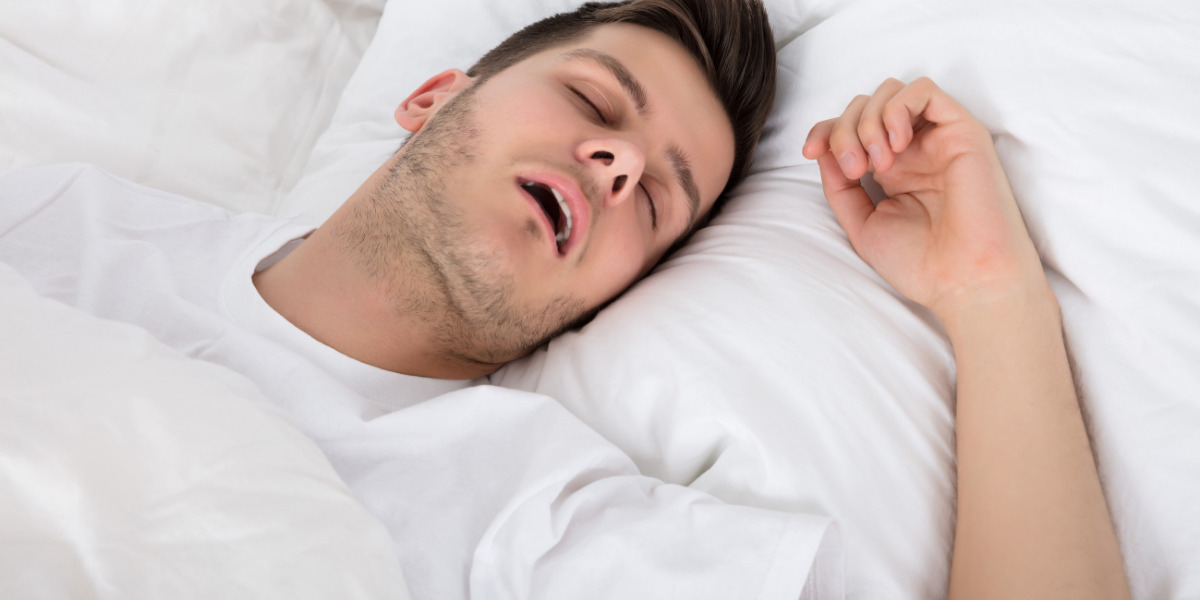
Snoring is common, and for many people in Morristown, Tennessee, it may seem like little more than an annoying nighttime habit. But loud, persistent snoring—especially when accompanied by pauses in breathing, gasping, or daytime exhaustion—can be a warning sign of obstructive sleep apnea (OSA). Left untreated, sleep apnea can interfere with restful sleep and may contribute to serious long-term health concerns.
At Prana Pulmonary Clinic, patients can receive professional evaluation for sleep-related breathing problems and other respiratory concerns. If you are searching for a trusted pulmonary clinic in Morristown TN, understanding the connection between snoring and sleep apnea can help you recognize when it is time to seek medical attention. This guide explains common warning signs, potential health risks, how sleep apnea is diagnosed, and what treatment may involve.
Table of Contents
- When Is Snoring a Sign of Sleep Apnea?
- Why Can Untreated Sleep Apnea Be Dangerous?
- How Is Sleep Apnea Diagnosed?
- How Is Sleep Apnea Treated?
- Frequently Asked Questions
When Is Snoring a Sign of Sleep Apnea?
Not everyone who snores has sleep apnea. Snoring occurs when air flowing through the throat causes relaxed tissues to vibrate during sleep. However, frequent, loud, disruptive snoring may indicate that airflow is becoming significantly restricted.
Obstructive sleep apnea occurs when the upper airway repeatedly becomes blocked during sleep, reducing or completely stopping airflow. According to the National Heart, Lung, and Blood Institute, people with sleep apnea may experience breathing that repeatedly starts and stops while they sleep. These interruptions can prevent the body from getting consistent, restorative sleep.
Warning signs may include loud snoring, gasping or choking during sleep, witnessed pauses in breathing, waking with a dry mouth or headache, difficulty concentrating, irritability, and excessive daytime sleepiness. Some people do not realize they have nighttime breathing interruptions until a spouse or family member notices them.
For residents of Morristown and surrounding East Tennessee communities, persistent symptoms should not simply be dismissed as poor sleep. An evaluation at a pulmonary clinic in Morristown TN can help determine whether snoring is associated with sleep apnea or another breathing-related condition.
Why Can Untreated Sleep Apnea Be Dangerous?
Sleep apnea does more than disrupt a good night’s rest. When breathing repeatedly stops or becomes restricted, oxygen levels may fall, and the body must respond repeatedly to these interruptions throughout the night.
Over time, untreated obstructive sleep apnea may be associated with cardiovascular and metabolic health problems. The National Heart, Lung, and Blood Institute notes that sleep apnea can increase the risk of conditions such as high blood pressure, heart disease, and stroke.
Daytime consequences can also create problems. Someone who wakes repeatedly during the night may experience significant fatigue, slower reaction times, trouble concentrating, or difficulty staying awake during routine activities. This can affect job performance, relationships, and safety behind the wheel.
Recognizing the warning signs is particularly important because people with sleep apnea may not remember waking during the night. If someone regularly tells you that you snore loudly, stop breathing, or gasp in your sleep, consider discussing those symptoms with a healthcare provider.
Prana Pulmonary Clinic provides evaluation for patients experiencing sleep and respiratory concerns. Seeking care early can help identify the cause of symptoms and determine whether further testing or treatment is appropriate.
How Is Sleep Apnea Diagnosed?
A sleep apnea evaluation typically begins with a detailed discussion of symptoms, medical history, sleep habits, and possible risk factors. Your provider may ask about snoring, nighttime awakenings, morning headaches, daytime sleepiness, and whether anyone has observed pauses in your breathing.
When sleep apnea is suspected, a sleep study may be recommended. Sleep studies monitor important information while you sleep, such as breathing patterns, oxygen levels, heart rate, and other measurements. Depending on your symptoms and medical circumstances, testing may be performed at a sleep center or, in appropriate cases, through a home sleep apnea test.
The goal is not simply to confirm whether you snore. Testing helps determine whether breathing interruptions occur, how frequently they happen, and how significantly they affect sleep and oxygen levels. This information can help a healthcare provider assess the severity of sleep apnea and recommend an appropriate treatment plan.
Patients in Morristown may benefit from working with pulmonary professionals who understand how sleep disorders can overlap with respiratory health. Conditions affecting the lungs and airways can sometimes complicate nighttime breathing, making a comprehensive evaluation especially valuable.
If persistent snoring is accompanied by breathing pauses or significant daytime fatigue, scheduling an evaluation with Prana Pulmonary Clinic can be an important next step toward understanding what is happening while you sleep.
How Is Sleep Apnea Treated?
Treatment depends on the type and severity of sleep apnea, the patient’s overall health, and other individual factors. The objective is to keep the airway open during sleep so breathing remains more consistent throughout the night.
For obstructive sleep apnea, positive airway pressure (PAP) therapy is a common treatment. Continuous positive airway pressure, or CPAP, uses a bedside machine connected to a mask that delivers pressurized air to help prevent the airway from collapsing during sleep. Other PAP devices may be considered depending on a patient’s needs.
Lifestyle changes may also play a role in treatment for some patients. Depending on individual circumstances, a healthcare provider may recommend changing sleep position, avoiding alcohol close to bedtime, increasing physical activity, or addressing other factors that may contribute to airway obstruction.
Some patients may benefit from oral appliances or other therapies. In certain situations, additional evaluation may be necessary to determine whether structural problems affecting the airway should be addressed.
Effective sleep apnea care should be individualized rather than approached as a one-size-fits-all solution. At Prana Pulmonary Clinic, patients can discuss symptoms, diagnostic options, and appropriate next steps with professionals experienced in pulmonary and sleep-related breathing concerns.
Frequently Asked Questions About Sleep Apnea and Pulmonary Care in Morristown
Can you have sleep apnea if you don’t snore?
Yes. Although loud snoring is a common symptom of obstructive sleep apnea, not everyone with sleep apnea snores noticeably. Other symptoms can include gasping during sleep, morning headaches, frequent nighttime awakenings, difficulty concentrating, and excessive daytime sleepiness. A professional evaluation may be needed to determine the cause.
How do I know if my snoring is serious?
Snoring may warrant medical attention when it is very loud, occurs regularly, or is accompanied by choking, gasping, pauses in breathing, morning headaches, or significant daytime fatigue. If a family member has noticed that you stop breathing while asleep, consider scheduling an evaluation rather than assuming the snoring is harmless.
What kind of doctor should I see for sleep apnea?
Sleep apnea may be evaluated by sleep medicine specialists, pulmonologists, and other healthcare professionals with expertise in sleep-related breathing disorders. Visiting a pulmonary clinic in Morristown TN can be especially helpful when sleep symptoms occur alongside respiratory problems or other concerns affecting breathing.
Is a sleep study necessary to diagnose sleep apnea?
A sleep study is commonly used to diagnose sleep apnea because symptoms alone cannot reliably determine how often breathing interruptions occur or how severe they are. Depending on your health and symptoms, your provider may recommend an in-lab sleep study or an appropriate home sleep apnea test.
What happens if sleep apnea is left untreated?
Untreated sleep apnea can cause ongoing daytime sleepiness, difficulty concentrating, and reduced quality of sleep. It may also increase the risk of health problems including high blood pressure, heart disease, and stroke. Early evaluation can help determine whether treatment is necessary and which approach is most appropriate.
Conclusion
Snoring may seem harmless, but persistent loud snoring combined with gasping, breathing pauses, or daytime exhaustion deserves attention. Sleep apnea can repeatedly disrupt breathing and sleep without the affected person realizing what is happening.
Prana Pulmonary Clinic provides patients in Morristown and surrounding communities with professional care for pulmonary and sleep-related breathing concerns. If your sleep symptoms are interfering with your health, energy, or daily activities, an evaluation can help identify the cause and determine an appropriate path forward.
If loud snoring, nighttime gasping, or daytime exhaustion has become a regular problem, don’t ignore the warning signs. Contact Prana Pulmonary Clinic, a trusted pulmonary clinic in Morristown TN, to schedule an evaluation and learn whether sleep apnea or another respiratory condition could be affecting your sleep and breathing.