Why Pneumonia Is More Dangerous Than You Think
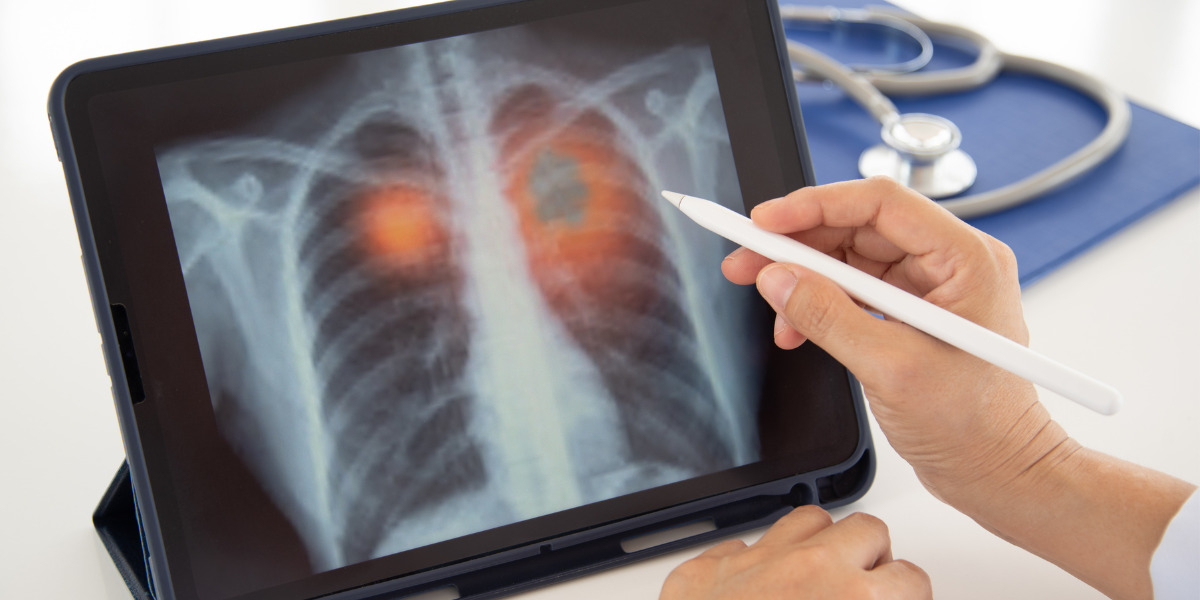
Pneumonia is often misunderstood as a routine lung infection that clears up with rest and antibiotics. Many people picture a short illness marked by coughing, fever, and fatigue, followed by a full recovery. While that can be true in mild cases, pneumonia can also turn serious quickly and carry lasting health consequences. Each year, it sends millions of people to hospitals and remains a leading cause of infection-related deaths worldwide.
What makes pneumonia especially concerning is how easily it can overwhelm the lungs and strain the rest of the body. The infection fills the air sacs with fluid or pus, making it harder for oxygen to pass into the bloodstream. As oxygen levels drop, vital organs such as the heart, brain, and kidneys are forced to work under stress. This chain reaction explains why pneumonia can be far more dangerous than it first appears, particularly for older adults, young children, and people with underlying health conditions.
Understanding how pneumonia affects the body, who is most vulnerable, and why early treatment is critical can help people recognize warning signs sooner and seek care before complications develop.
Pneumonia Is Not a Single Illness
Pneumonia is not one disease but a group of lung infections caused by bacteria, viruses, or fungi. Bacterial pneumonia often develops suddenly and can progress rapidly, while viral pneumonia may start with milder symptoms that worsen over time. Fungal pneumonia, though less common, can be severe in people with weakened immune systems.
Because the causes differ, treatments and outcomes can vary widely. This variety makes pneumonia harder to predict and more dangerous when symptoms are underestimated or ignored.
It Can Escalate Faster Than Expected
One of the most alarming aspects of pneumonia is how quickly it can worsen. A person may feel like they have a cold or flu, only to experience sudden shortness of breath, chest pain, or confusion within days. As the lungs struggle to exchange oxygen, the body may not keep up with its basic needs.
This rapid decline can lead to emergency situations, especially in older adults who may not show classic symptoms like high fever.
Complications Can Be Life-Threatening
Pneumonia does not always stay confined to the lungs. Severe cases can cause bloodstream infections, lung abscesses, or respiratory failure. In some people, the infection triggers inflammation throughout the body, placing strain on the heart and increasing the risk of heart attacks or irregular heart rhythms.
Even after recovery, some individuals experience reduced lung function or lingering fatigue that can last for months.
Certain Groups Face Higher Risk
Age and health status play a major role in pneumonia severity. Adults over 65, infants, and people with asthma, chronic lung disease, diabetes, or heart disease face a higher risk of complications. Smoking, poor nutrition, and weakened immunity further increase vulnerability.
For these groups, pneumonia is not just uncomfortable; it can be deadly without prompt care.
Delayed Treatment Raises the Danger
Waiting too long to seek medical attention is a common and serious mistake. Early treatment can prevent the infection from spreading and reduce the chance of hospitalization. Delays allow inflammation to worsen, oxygen levels to drop, and complications to set in.
Recognizing symptoms such as persistent fever, rapid breathing, chest pain, or confusion can make a critical difference in outcomes.
Prevention and Awareness Save Lives
Vaccines, good hygiene, and managing chronic conditions lower the risk of pneumonia. Staying current on recommended vaccines, including flu and pneumococcal vaccines, is especially important for high-risk individuals.
Equally important is awareness. Knowing that pneumonia is more than “just a lung infection” encourages earlier action and better protection.
Pneumonia deserves far more respect than it often receives. Its ability to disrupt breathing, strain vital organs, and trigger serious complications makes it a major health threat, particularly for vulnerable populations. Quick recognition of symptoms, timely medical care, and preventive measures can dramatically reduce risks and improve recovery. If you or a loved one are concerned about recurring lung infections, breathing issues, or pneumonia risk, Prana Pulmonary Clinic offers specialized care focused on protecting lung health and guiding patients toward safer outcomes. Seeking expert support early can be a life-saving step.